

How Much Weight Can a Drone Carry?

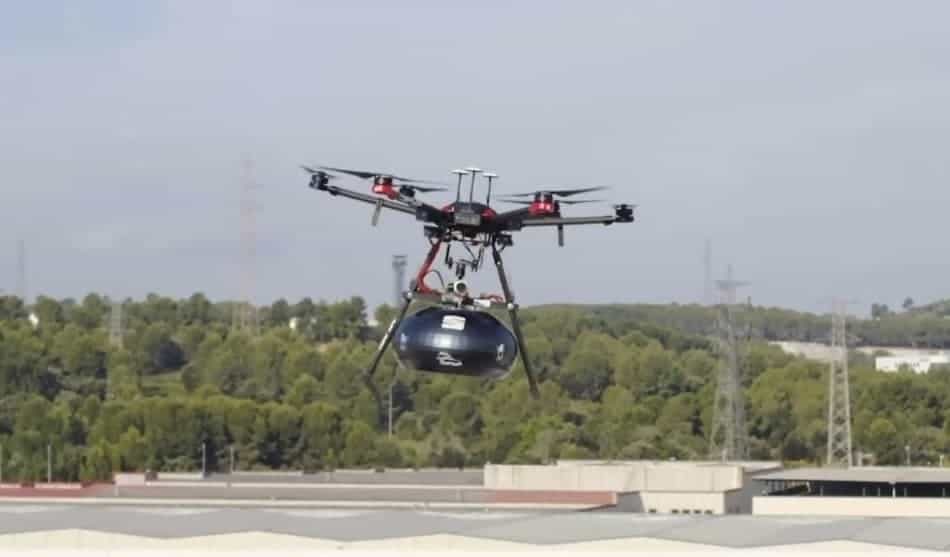
When we talk about the world of drones (UAVs), the maximum weight that a drone can carry is expressed as “payload”. UAVs (Unmanned aerial vehicles) have proven to be really useful and adaptable, but payload capacities is often a significant limiting factor. This is especially true for micro aerial vehicles that are showing promise in search and rescue missions. On the other hand we have proffesional drones that are design to carry extra weight. Let’s see how much weight drone can carry.
So How Much Weight Can a Drone Carry? Every drone is designed to carry payload exactly according to their main purpose for which it was designed. There are too many variables, but average carrying capacity for hobby drones are 0.3 to 2 kg while average carrying capacity for professional Drones are 20 to 220 kg.
Asking the question how much weight can a drone carry is much like asking how fast car can go. All drones are made of 3 main things: complex balance of power, size and weight. By definition the payload of a drone (UAV) includes all the equipment on board like: cameras, radars, sensors, GPS etc. While parts like batteries, rotors, propellers and constructional parts are not in the term of payload. When we look at different types of drones we can notice that specifications and functions can vary greatly from one model to another, which will surely impact the maximum weight they are able to lift and transport. And in the end we need to take 2 major factors; hobby drones are manufactured for sports, taking photography and having fun while professional drones are made to carry payloads and other things that they are design for.
Factors That Explain How Much Weight Drone Can Carry
We have to consider that there is a number of factors that affect the drone’s payload capacity. The most important among them are the motor power, the size and number of propellers, type of battery and the weight of the drone. One of the factors we need to keep in mind is that the propeller thrust should be twice the total weight of the drone and the payload. Drones also need to know how to deal with wind, air pressure and moisture in the air which can drastically influence your drone. Drones that need a big lift requirement also needs a battery with a bigger capacity, which also adds weight to the drone. Heavy lift drones beside extra weight that they need to carry also need a strong and durable drone frame which is heavier than the standard lightweight construcion of the hobby drones. Article about Physics Behind How Drones Fly for those who want to know more.
There is also one very important thing besides from adding the payload to the drone, and that is take-off weight or capacity that drone must use to take off which we must take into consideration. Take-off weight is usually the heftiest capacity the drone can handle for it to fly without any complications. Because there are still a couple of factors that are here like battery life, and control of the drone in the air while carrying the payload.
Hobby Drones For Carrying Weight
When it comes to hobby drones whose main purpose is the general public, manufacturers are trying to make the most sophisticated models where their goal is to increase flight time duration and flight range. But the main disadvantage in that is it would dramatically increase the price. And when they focus on these two main components, they do not pay attention to the things like payload (extra weight). Indeed, hobby drones are not designed and equipeed to carry an additional load. When you look the structure of hobby drones, you can see that the payload is already used by the equipment such as a camera, or an extra battery. For example, if a hobby drone owner tries to fly a drone by adding weight, he will drastically reduce flight time duration and stabilization. We should also note that there are laws by FAA regulations, that require approval for some drones how much they can weight.
Conclusion: So how much weight can (small) hobby drone carry? These drones are primarily intended and used to learn us the basics of flying, take photographs and having fun. However, this miniature, small drones still have the capability of lifting payloads relative to their size. With hobby drones you can send a letter or even a small gift to another person in a cool way! When we talk about beginner drones, they can lift approximately 200 to 300 grams of extra weight without a problem.
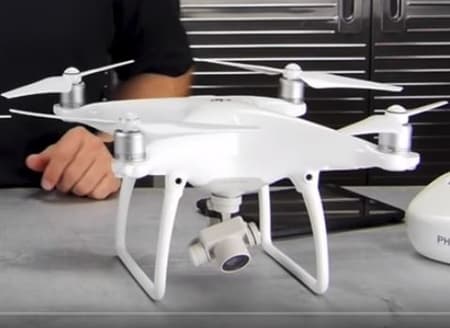
Anything above that is risk. Many drones that are popular among recreational flying pilots can carry around 3 to 5 lb (2.2kg) of payload. Drones are quite popular among many enthusiasts because of first person view (FPV). The most famous hobby drone that is currently available on the market and that I recommend is the DJI Phantom 4 PRO (check price,reviews and pics).
Professional Drones For Carrying Weight
When we talk about professional drones (UAVs) that are used for industrial or military environments, they are primarily designed to carry extra weight while flying. That extra weight, whether it is a camera to film, inspect or monitor it can also carry things like sensors, LiDar system, Drone mapping technology or other elements useful for industrial jobs. These drones can carry impressive loads, because it is their original purpose and these batteries are designed to handle that extra weight and so they don’t lose flyight time. For example some drones can carry payload of 6kg, while their weight is only 10kg, which is more than 50% of its weight. This market is still developing so we are witnessing a real battle of who will take over the market of payloads trasnported by drone.
Conclusion: On the other hand, heavy-lifting drones (or professional drones) on average can lift weigh around 40 lbs (18kg). In the 2017, the drone company Griff Aviation has launched the Griff 300 model UAV that can carry around 500 lbs (226kg) of payload weight. Griff 300 is an 8-propeller UAV with a very high power.
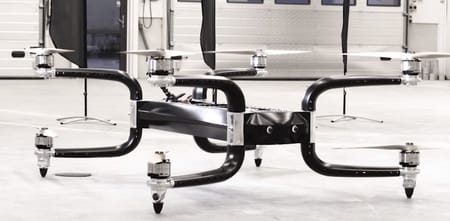
Another interesting thing about this drone is that can sustain 45 minutes of airtime. When we consider the weight that some drones need to carry, a typical professional camera weighs about 2 kg, and these are the minimum requirements that professional drones must satisfy. I also write a special article about the Griff 300 Review.
Types of Drones And Weight They Can Carry
We have different types of drones today that are available in the market, but all of them are divided into these 3 categories. The payload capacities of these drone types vary. But not all drones are design to carry extra weight.
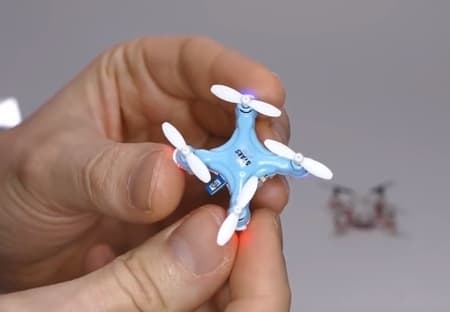
• Trick Drones – These tiny and affordable fliers are perfect for kids and beginner hobbyists. They’re limited by their flight time, which is typically 8-10 minutes, but they’re safe for flying indoors and affordable at around $100. Cheerson CX-10 is a popular toy drone for beginners. The size of this drone is about the size of a cookie. This drone is not intended to carry payload, but it can carry about 4 to 6 grams of weight.
• Prosumer Drones – This is the middle ground between professional and consumer and the most common ones you’ll see, unlike trick drones, these have the power to carry a payload which if you’re an aspiring photographer allows you to add things like a GoPro or a gimbal. They fly for about 25 minutes and they’ll run about $1,200. One of my favorites in this class of drones is DJI S900 which
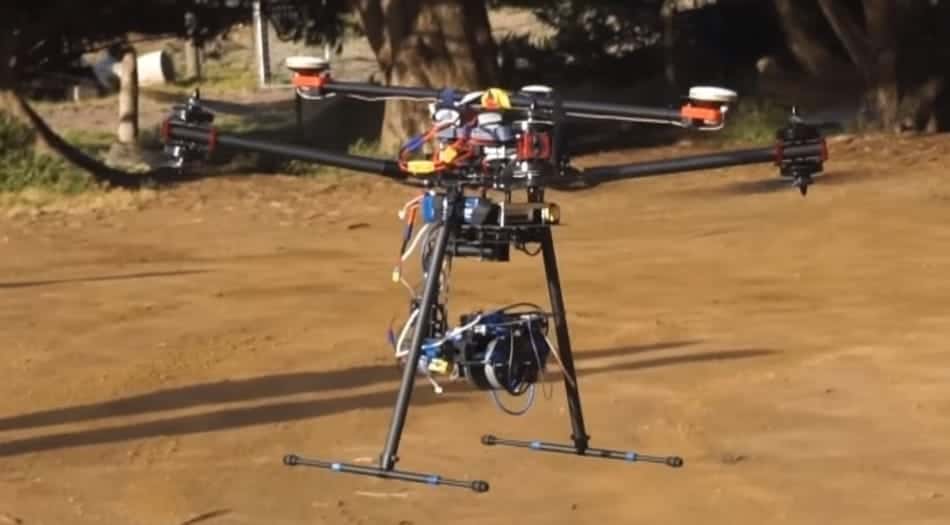
is built verry powerful and can carry heavy payloads. This drone is also known as the hexacopter and it can carry up to 3 kilograms, which is more than enough to carry a GoPro camera. DJI S900 is capable to fly up to 18 minutes in the air. This drone have the equipment with centrifugal fans for heat dissipation.
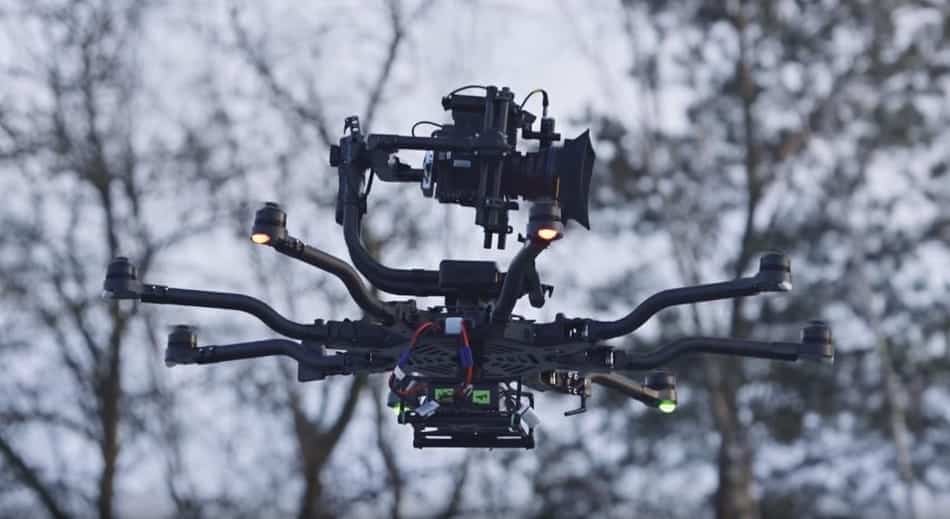
• Heavy Payload Drones – From pizza and cake deliveries, all the way to shooting cinema quality video. But going pro is pricey. These drones can run more than $15,000. One of the best heavy lifting drone in the opinion of many people who are in drone bussnies is Alta 8 from Freefly Systems. This drone is made for professional drone users, but the main coin is that it is exceptionally expensive. It has 8 powerful motors, and it’s capable of lifting up to 18 kilograms of payload. It has auxiliary sensors such as accelerometers, barometers and GPS.
What’s The Future For Drones Carrying Payloads?
It’s just a matter of time when Drones will have the potential to eliminate the challenges people face every day. Drone delivery is inevitable, it’s just a matter of time. When regulation loosen up and the infrastructure is in place, we will be seeing drone deliveries for many purposes. Drones could enable a step change in the availabiliy of everyday physical items. One of the main advantages of drone deliveries is speed. When you want something fast, you almost certainly want it delivered right to you. The future is to summon an item with a button on your smartphone and shortly afterwards, pluck it out of the air directly in front of you, and the future potential goes beyond adding convenience to online shopping. Pinpoint accurate delivery to any smartphone may improve the feasibility of life-saving applications for drones such as EpiPen or defibrillator deliveries. For about 10 years when drone technology will allow us to carry heavier loads for longer distances will change everything. For those who want to know more you have article about 10 Ways Drones Will Be Used in The Future.
Conclusion
We came to the conclusion that there is no definitive answer to the question of how much weight can a drone carry. It all depends on the size of the drone, its purpose and specifications. When we see how technology is developing fast with more durable and lightweight materials, drones will have more potential to evolve and carry more loads in the future. As we have stated in this article, commercial drones that are available on the market can carry a range of weights from 4 grams to 220 kilograms. There are different methods in which you can improve and customize to serve payload requirements for your drone. One example is when motors can be upgraded, as can the batteries. It can also be improved by adding more rotors, like the hexacopter drones. By having multiple rotors you provide stability to the drone, which in some situations can be useful to keep the onboard technology safe. One of the biggest drawbacks in professional drones are flight time which is reduced by half by the weight and the batteries therefore last short.

