

Cat Drone: The Drone That Shook The World

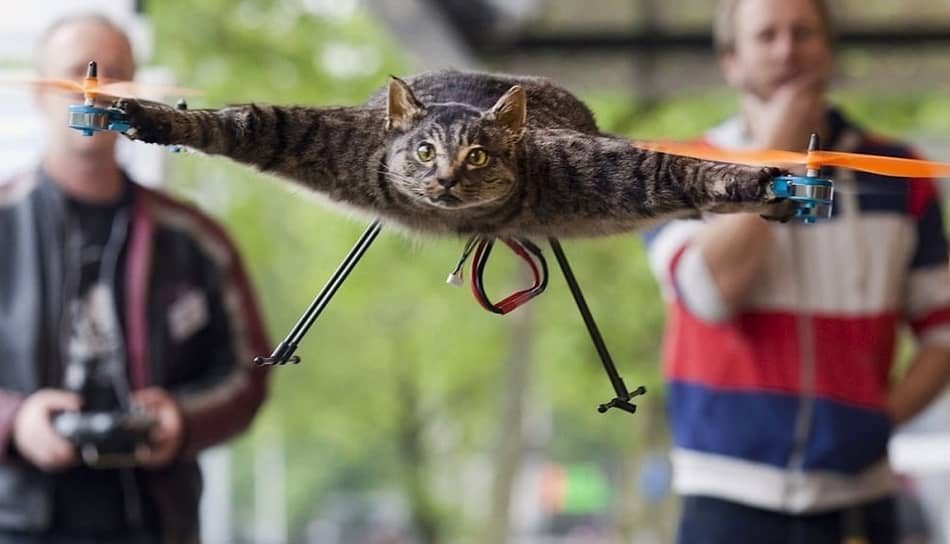
Dutch inventor Bart Jansen has created some unconventional drones. The most famous one is the cat drone, which consists of a stuffed and tied-up cat with four propellers attached to its paws. Jansen’s idea for making this unusual drone came when he was tinkering around in his garage. One day after his cat unfortunately died, he decided to make a drone out of it.
But that was not the only drone that he made from a dead animal. After that, he tried new projects. Dutch inventor Bart Jansen announced that he was working on a new project. Now this man intends to create a cow drone. But when he first introduced the cat drone to the public, he shocked the whole world. With this project, he got the attention of the whole world, and now everyone is following his next moves. Let’s find out the details of this incredible story.
Where Did Idea Come Up For The Cat Drone?
Before we get a little deeper into this topic, keep in mind that Bart Jensen is a very famous Dutch artist. His big passion is flying and aeronautics. That’s why this idea was born from aviation itself.
One day in 2012, Orville, Bart Jansen’s cat, was hit by a car. Jansen was shocked and very sad. Rather than bury the cat, he relies on taxidermy (Taxidermy is the art of preserving an animal’s body via mounting or stuffing, for the purpose of display or study). He is also a big fan of aviation. After all, Orville was the first name of one of the Wright brother’s planes, the pioneers of aviation.
And so the young Dutch artist used his passion and knowledge to put his dead cat on a quadcopter. Together with Arjen Beltman, an engineer friend, they put a propeller at the end of each paw of the feline and transform the poor cat into a drone. It goes without saying, Bart Jansen, 39, is a slightly crazy maker but who is not lacking in ideas. That’s how the story of making a cat drone came out.
How The Cat Drone Was Made?
The drone was made in that way that the cat was stuffed horizontally, where the limbs were positioned at the same angles as the propeller arms of the drone. The frame of the quadcopter was shaped also with the cat. The abdomen was open and cut, which allowed the drone to be reassembled with ease.
The arms of the quadcopter were hidden by the limbs of the cat, where only the propellers of the quadcopter were sticking out of its paws.
After all the parts were assembled and the quadcopter was completed, the Orvillecopter had a successful and stable first flight, and gained attention over the internet and social media. This process was not easy at all, so if you want to try to do something like this yourself, keep in mind that you need a lot of knowledge about drones.
If you are interested to learn more about how you can build your own drone, read How to Build a Drone From Scratch.
https://www.youtube.com/watch?v=lW0hyg4kfaw&t
How Did Public Respond To The Dead Cat Drone?
There is very little in this world that splits people up the middle when it comes to their opinions. However, there are a few things out there like Orvillecopter – a flying cat drone that can evoke interest and admiration from some while disgust and horror for others.
This leads many of us to wonder how we will ever please everyone if each person reacts so differently towards even one thing – but luckily, no matter what anyone thinks about The “Orvillecopters” they’ll be able to agree on its interesting features! However, the reactions to the flying cat drone were interesting.
1. What Was Good About Cat Drone
When we look at one side of the fence, there are people who believe that animals should be treated as equals to humans. These animal lovers have a more open mind and views in regards to their memory, which must not just be thrown away or forgotten without any ceremony at all.
These same people understand why artists create work like this- because it is important for us not only to lament what was lost but also to celebrate how beautiful they were when alive by capturing them through artistry before death can take over again. That is why some people call a Dutch artist a visionary.
2. What Was Bed About Cat Drone
Quite a lot of people have been questioning the action that this artist took. Animals are important to a lot of people, and that includes both those who love them while they’re alive as well as after death. On the other side of the fence, you have more conservative animal lovers – these people think animals deserve better treatment than humans do and will literally go through all sorts of hoops in order to defend their position on how we should treat our pets before or after they die.
Some people think it is twisted and warped for any sane person to create such an aberration such as a cat drone. This was also seen as a way in which something so precious can be defiled; when we should treasure every bit of our surroundings before they’re taken away from us forever.
3. What Was Ugly About Cat Drone
If we were to look at this from a neutral side, both sides are right at some point and wrong at other points. While there is not a lot that people can do to take either side without taking one or another radical stance on it, it is possible for understanding between two groups with different views.
The loss of his pet Orville was difficult because any death is hard but still, Bart decided to make a memory and that’s why he created the cat drone. Instead, the Dutch artist combined his 2 main passions in life; art and flying to honor the cat’s loyalty by flying this plane over their city square creating what looked like a giant white cloud while carrying out beautiful drawings. But however that ended, this topic raised a number of questions.
Overall Impression About Cat Drone
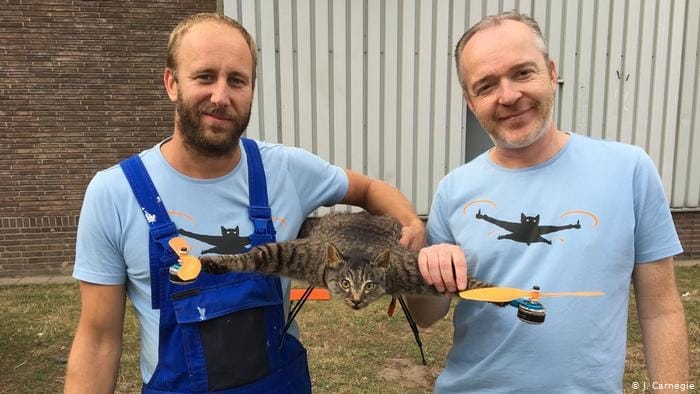
The internet is buzzing with different videos and articles when it comes to the cat quadcopter. It seems like people are really interested to see what will happen next, so it’s not surprising that a lot of people want to see this kind of art at yearly conventions or art shows. People have also come forward about their desire for either starting an ambitious project similar to this one or just want more information on how they can do something for themself!
Unfortunately, though, there has been some backlash too; while most responses haven’t been extreme enough to affect anything majorly, others seem pretty hostile towards Dutch inventor Bart Jansen as if he were hurting animals instead of helping them out when we all know that couldn’t be further from reality!!
The art of drone making has expanded to include more than just flying machines with cameras on them. You can now get a cat-shaped model that is designed and built in the most respectful way possible, as it will be used for commemorative tasks rather than combat or spying operations.
This might not always please avid animal lovers who are against any form of experimentation whatsoever but there’s something new out there if you’re willing to relax your moral stance ever so slightly!
Dutch inventor Bart Jansen Turned a Cow Into Drone
In 2012, the inventor created a cat-drone that made him famous. It took him over 12 months and three versions before the cat drone was ready to fly. Since then, his collection has been replenished with drones made from stuffed rats , sharks , ostriches and several other animals.
According to the Dutchman, the carcass of the cow, which will be used to create the aircraft, has already been found and delivered to the tannery. Jansen became interested in taxidermy in 2007. Even that the inventor has taken a few lessons in taxidermy, he admits that he is not yet the best taxidermist in the world and that he always seeks professional help when he does not have time to do so. In addition, he is creating drones to people from all over the world, and they often ask him to turn their drones for their deceased pets.
“I never know what my next invention will be, but I know for sure that we want to build a helicopter for ourselves,” Jansen said. He added that he was thinking about creating a flying cow, as “he would like to fly in something strange.”
Conclusion
The Orvillecopter is an interesting and functional work of art that the Dutch artist Bart Jensen created to keep his deceased cat, Orville in his life. This particular project was a bit divisive among viewers; some found it too morbid while others thought it was creative and touching tribute for someone who had died tragically.
The feedback from visitors has been so overwhelmingly positive that other artists have stepped out with similar projects as well as interest to collaborate on new ones involving taxidermy on drones.
It is possible to see more developments in this field that will be similar to Orvillecopter, but involving animals much bigger than a cat and probably more complex designs like quadcopters RC drones. For example, there’s talk about an ostrich-style drone or even one for cows. One thing is certain though, Bart Jansen respect towards his pet cat Orville (named after aviation pioneer Wilbur Wright), hasn’t gone unnoticed.
By this example, when time moves on, people are becoming more comfortable with things and topics once considered taboo or forbidden. You can finally just observe these subjects in an art form without feeling embarrassed about it because you have access to the information now so there is no need for shame.

